
When a serious traffic accident involving a truck occurs, many people automatically assume that the primary responsibility lies with the truck driver. The reason is clear: trucks are larger, more dangerous, and the consequences of a collision are usually more severe. But the statistics paint a more complex picture. In many cases, it is passenger car drivers who create the dangerous situation by underestimating the characteristics of large vehicles. The question of what percentage of such accidents is linked to the actions of passenger cars has long been studied by relevant organizations and road safety experts.
What the research data showed
In collisions between trucks and passenger cars, the driver of the passenger car was more often the primary cause of the accident than the truck driver. In one major study of two-vehicle accidents, responsibility was distributed roughly as follows: 56% of cases involved passenger cars and 44% involved trucks. These figures are significant because they refuted the widespread stereotype that trucks are always at fault.
Such statistics do not mean that trucks are not a source of danger. They merely show that the real-world driving situation is much more complex. All road users make mistakes, but passenger car drivers often misjudged the distance, speed, and capabilities of heavy vehicles.
Why Passenger Cars Often Cause Traffic Accidents
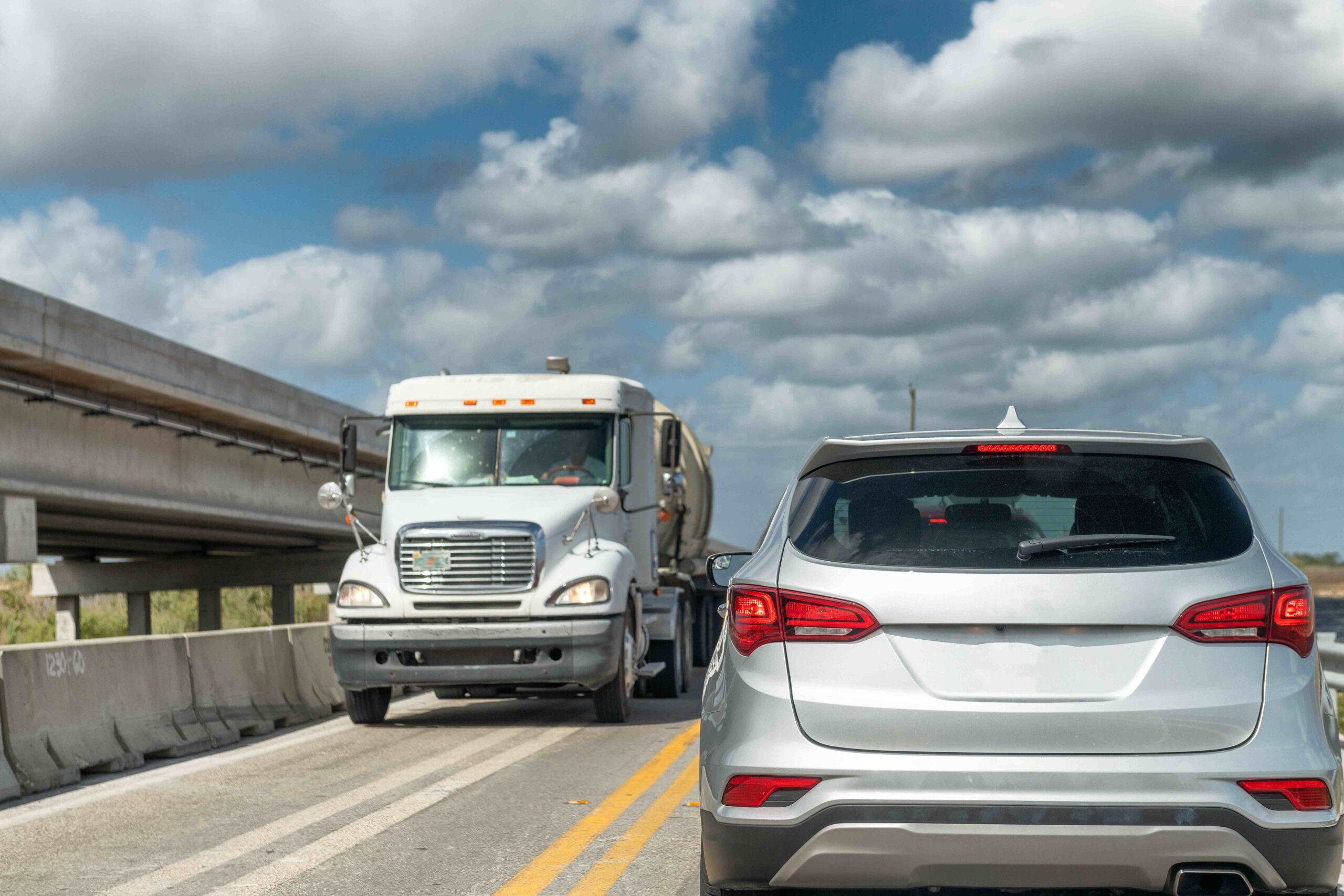
The main reason lies in the difference in size and driving dynamics. A passenger car accelerates faster, changes lanes more easily, and requires a shorter stopping distance. A truck, especially a loaded one, needs more time to brake and more space to maneuver.
When a passenger car driver suddenly changes lanes in front of a truck’s cab or brakes too close, the truck driver often has no time to react. Even an experienced driver cannot always stop a multi-ton vehicle instantly.
Another important reason is a lack of understanding of blind spots. Trucks have areas of visibility where a passenger car can temporarily disappear from view. If a lane change occurs at that moment, the risk of a collision increases dramatically.
The Most Common Driving Mistakes
Studies and expert reviews identify several recurring scenarios. These occur on highways, city streets, and in heavy traffic. One typical mistake is cutting off a truck after passing it. The driver of a passenger car completes the maneuver too early, failing to maintain a safe distance. For a small car, this might seem acceptable, but for heavy vehicles, it creates a critical situation.
Another common cause is driving in the blind spot next to a trailer. Many drivers drive alongside a truck for a long time without realizing that the truck driver might simply not see them. Sudden lane changes, attempts to squeeze in before a truck turns, aggressive driving, and distraction from a phone also pose serious risks. At high speeds, even a brief lapse in attention can result in a serious accident.
 Why the Consequences Are Often Severe
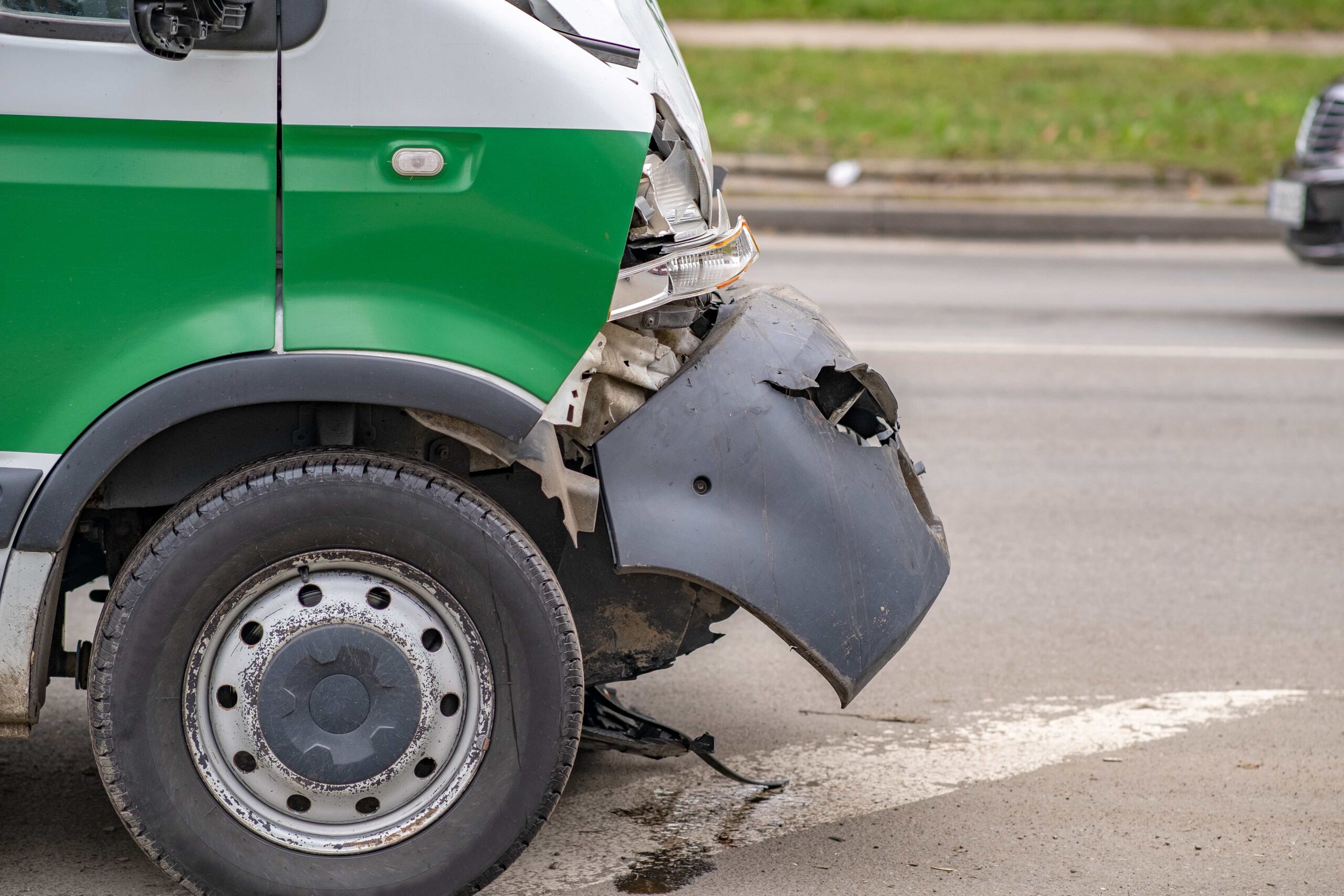
Even when a passenger car driver makes a mistake, the consequences are almost always more severe for the driver of the passenger car. The reason lies in the physics of the collision. A truck’s mass far exceeds that of a typical car, so the impact almost always causes greater damage to the smaller vehicle.
Trucks have a longer braking distance. If a passenger car suddenly stops in front of a truck, it is difficult to avoid a collision. In some cases, rear-end collisions, veering into the adjacent lane, or the cargo tipping over have occurred. That is why experts regularly emphasize: the issue is not only who is at fault, but how to prevent the situation itself before an accident occurs.
Why This Topic Is Relevant
The volume of freight transport is growing, and with it, the number of situations where passenger cars and heavy vehicles travel side by side. Highways are becoming more congested, traffic speeds are increasing, and drivers face more distractions. As a result, the issue of assigning liability in accidents involving trucks remains a topic of ongoing discussion.
Statistics show that a significant portion of accidents involving trucks are caused by passenger cars. According to several studies, this accounts for approximately 56% of two-vehicle collisions. This does not absolve truck drivers of responsibility, but it helps to better understand the nature of such accidents.